The first day in a new classroom. Walk it through before they walk in.
A new teacher. A new room. A new place for the bag. For many neurodivergent children, the first day isn't about learning — it's about surviving twenty new variables at once. A personalised visual story turns the morning into something they've already walked through. The real first day becomes the second time.
Last updated: August 2026
A sample first-day-of-grade-1 story.
This is a 13-scene sample (14 pages including the cover) we made for a hypothetical child named Lily — built end-to-end in Lionmain so you can see exactly what your export looks like. Watch the video, or download the PDF. When you make yours, your child takes the lead role with their own photo, name and details.
Read the full sample story
My First Day of Grade 1
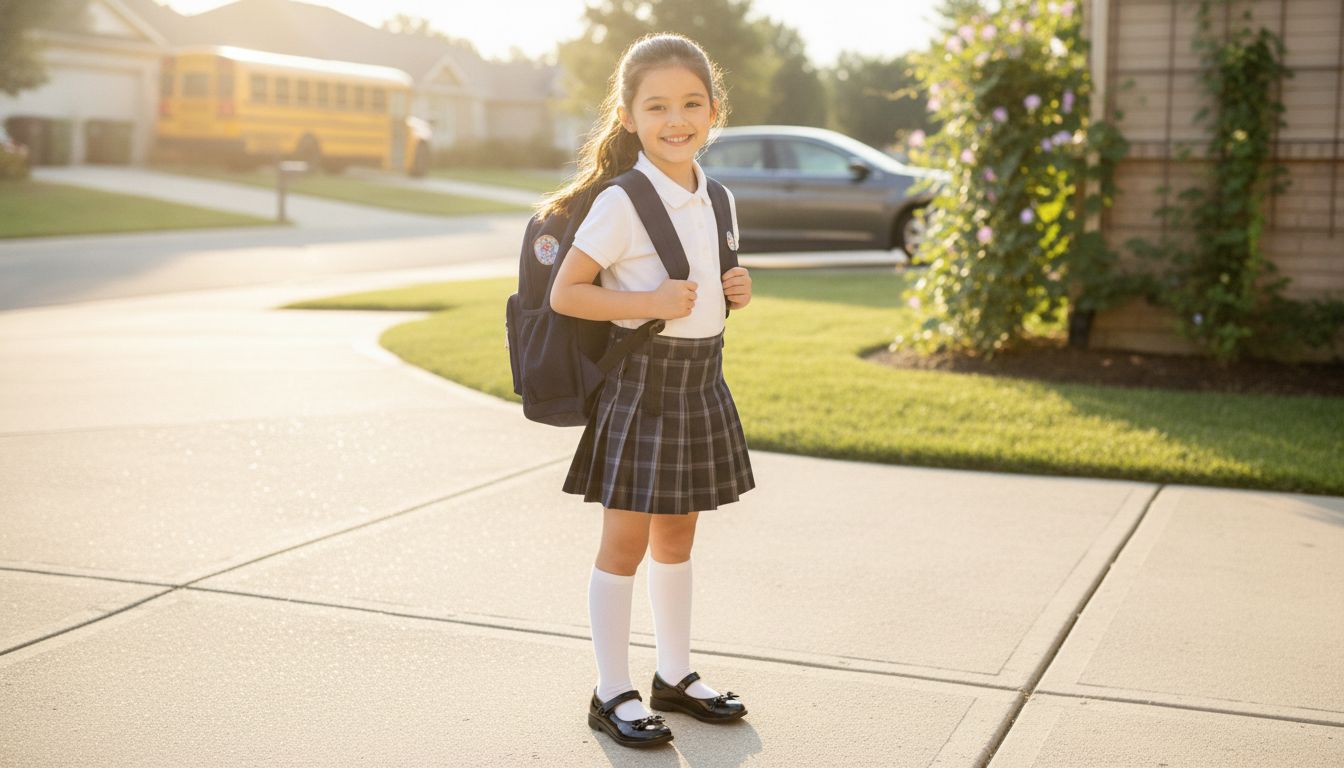 Scene 1 of 13
On Monday morning, I start Grade 1.
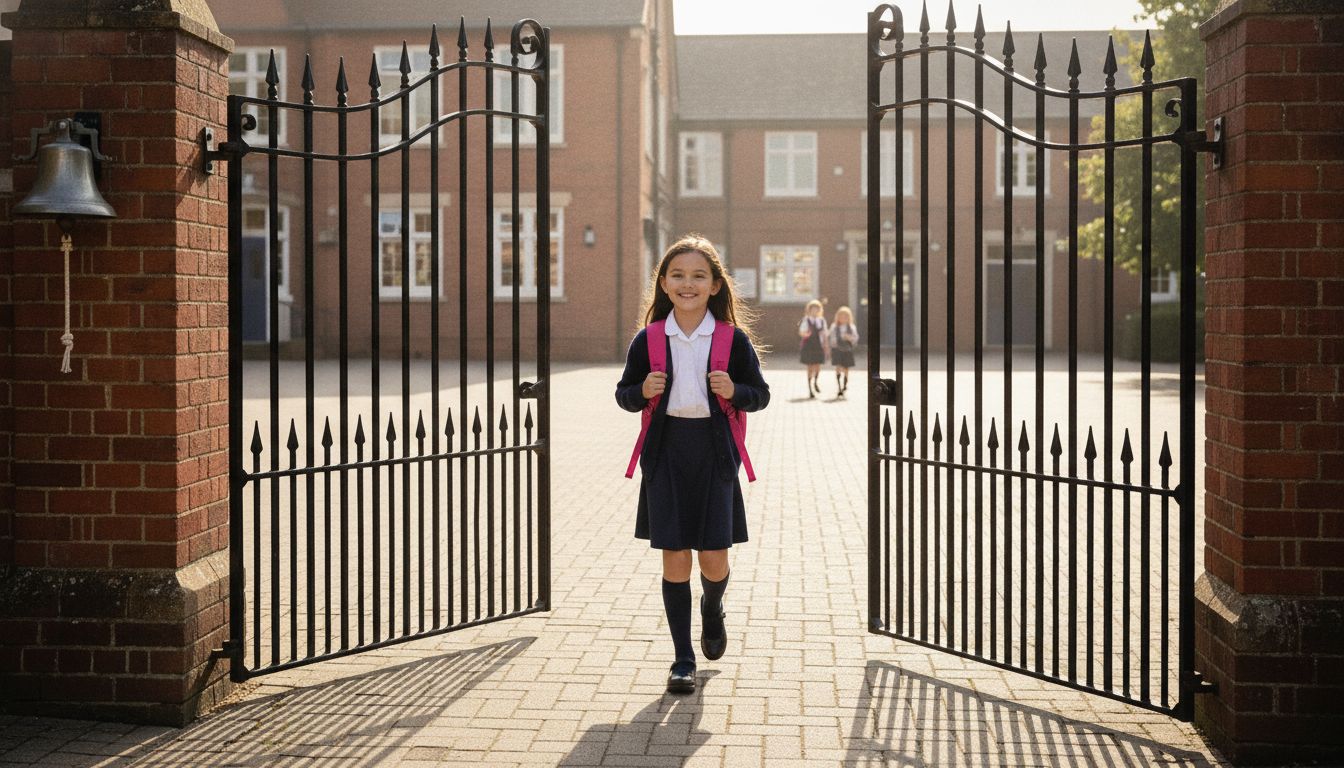 Scene 2 of 13
The school bell makes a clear sound.
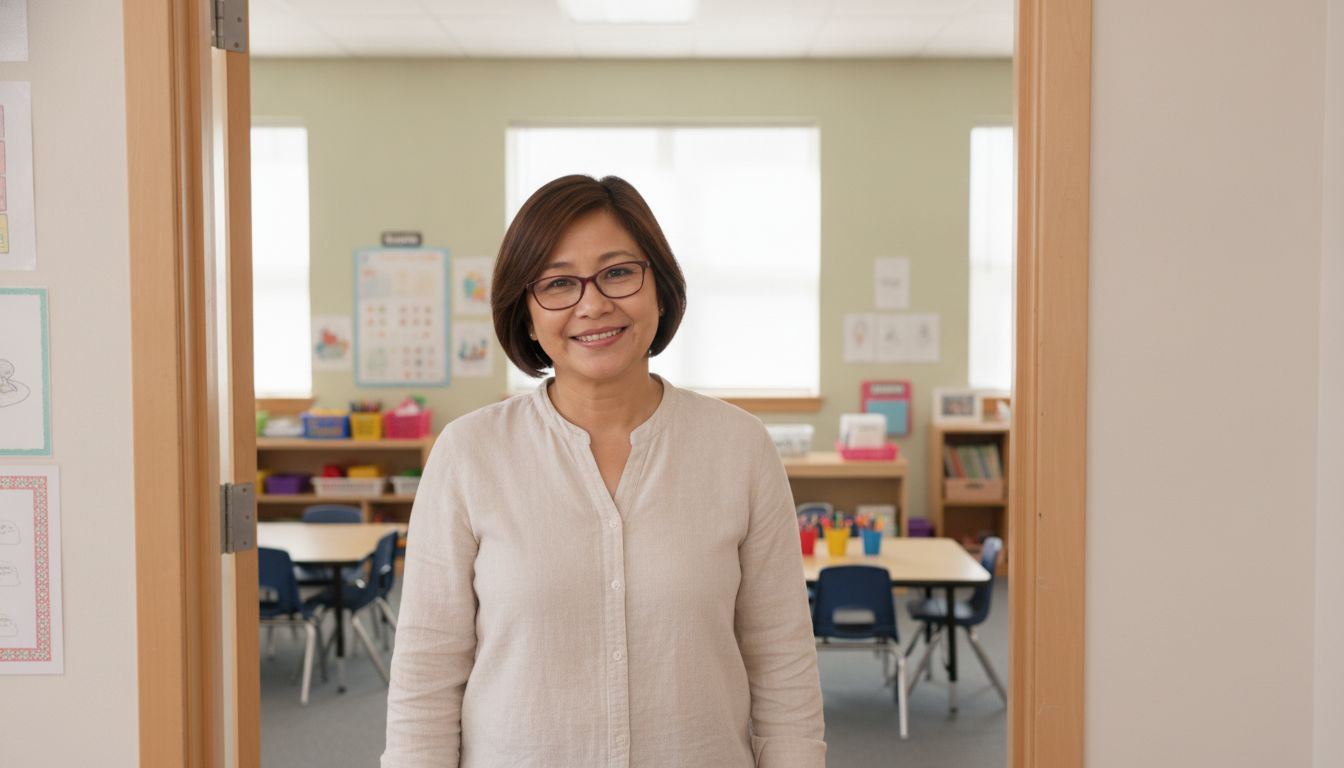 Scene 3 of 13
Mrs Chen waits at the classroom door.
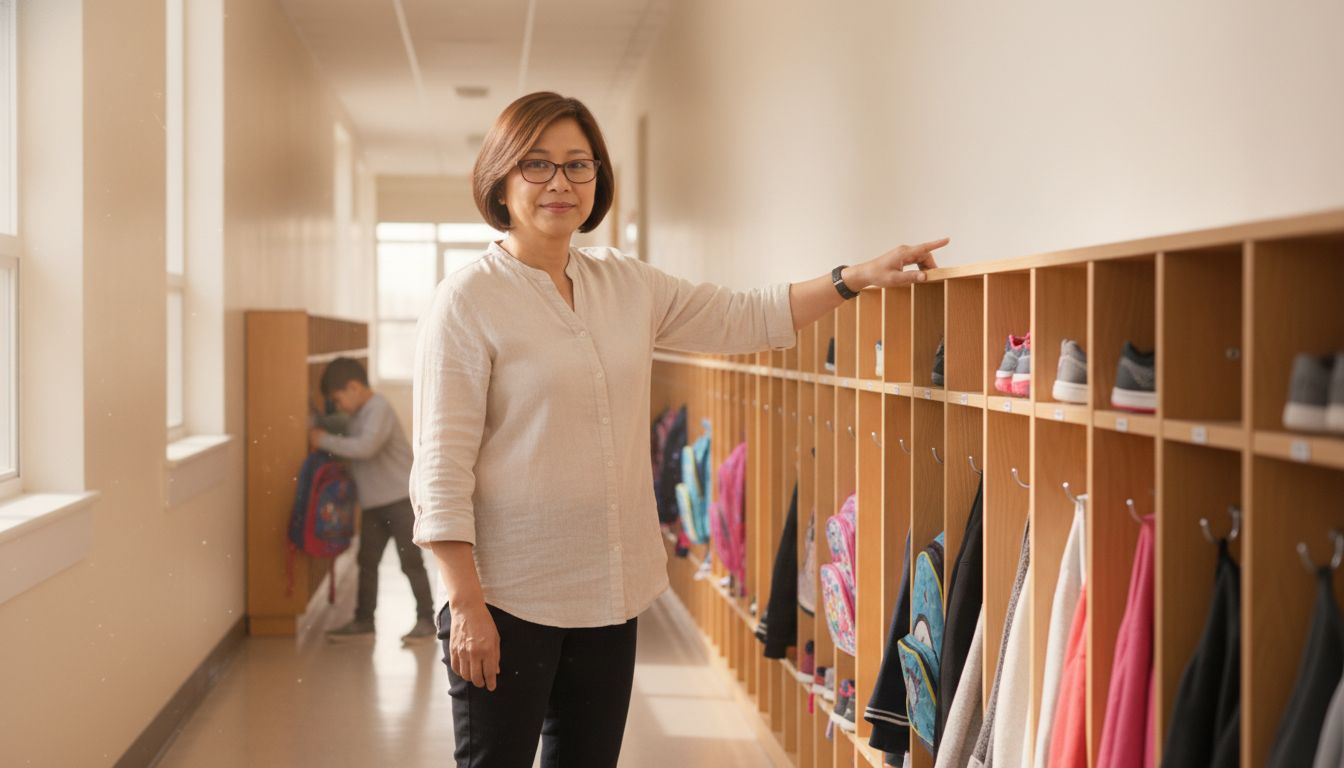 Scene 4 of 13
Mrs Chen shows me the bag hooks.
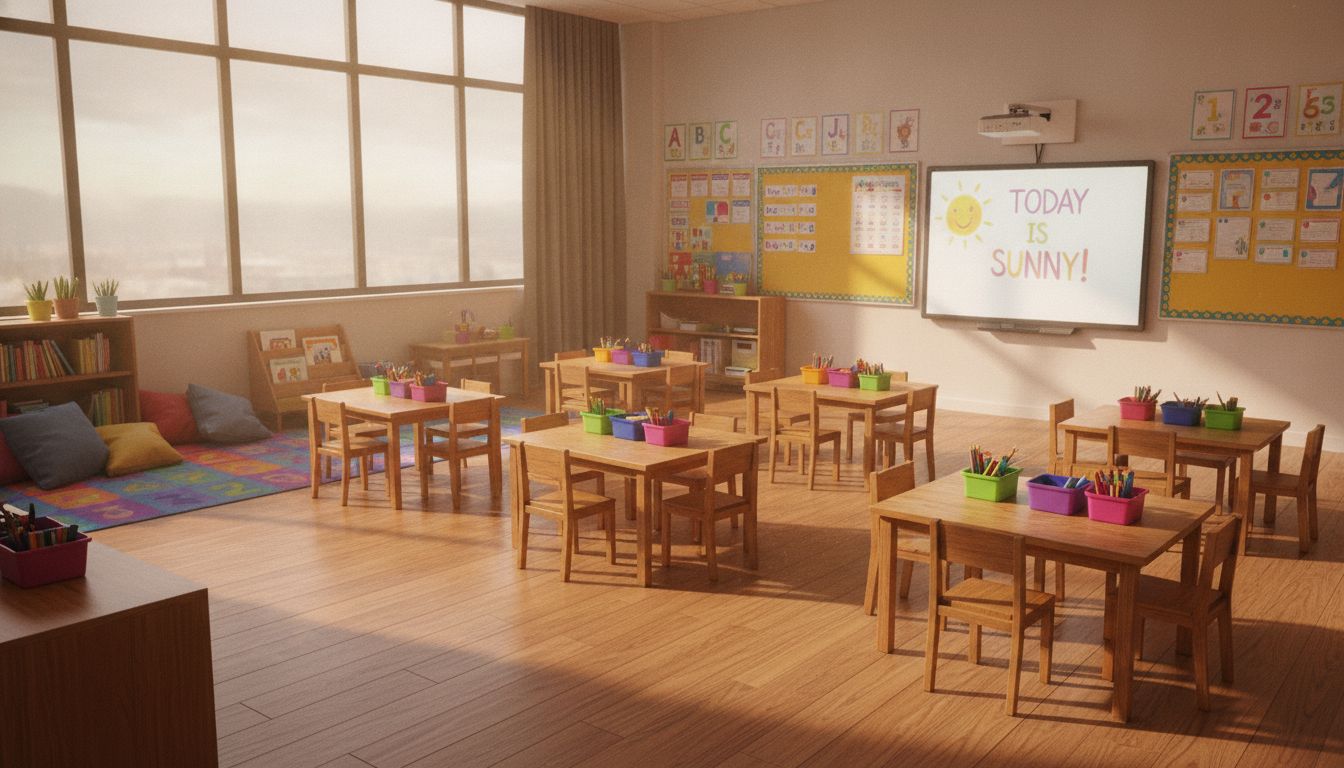 Scene 5 of 13
The classroom is bright and very colourful.
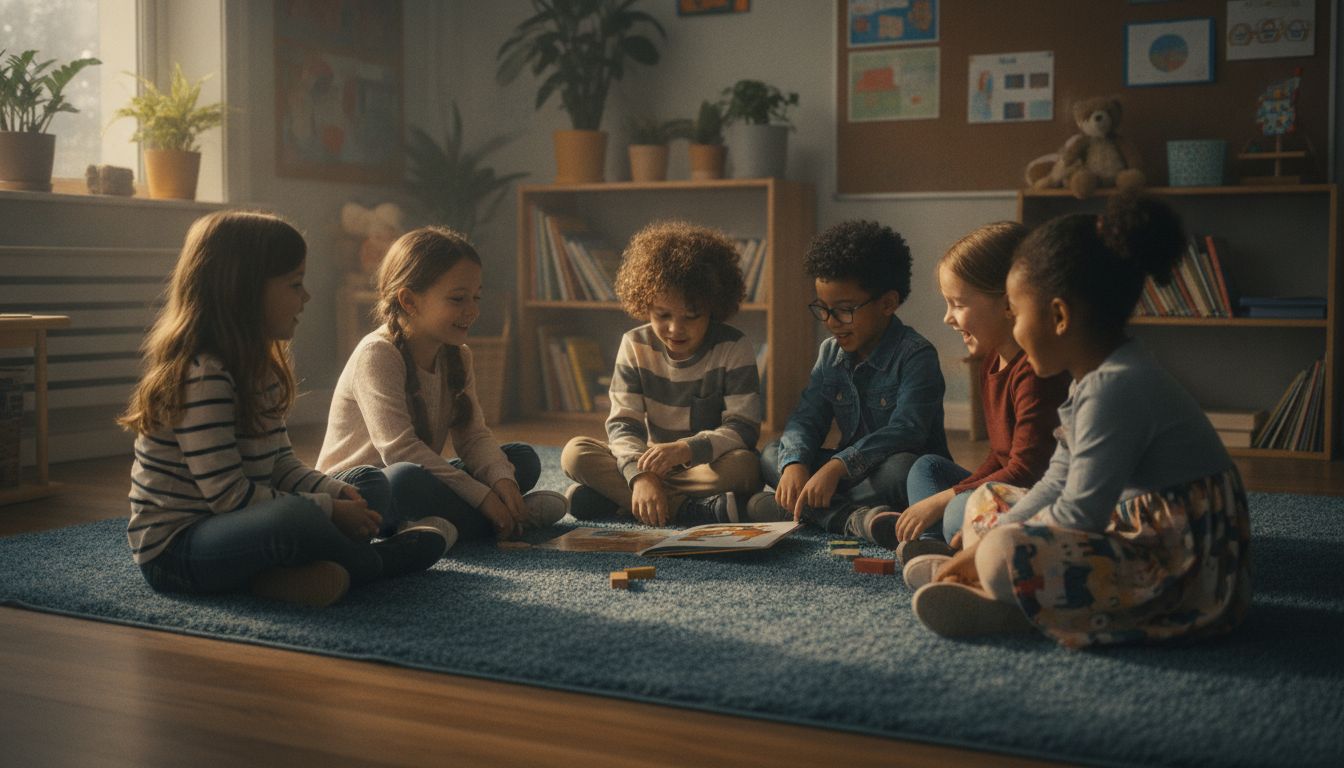 Scene 6 of 13
Some children feel nervous in new places.
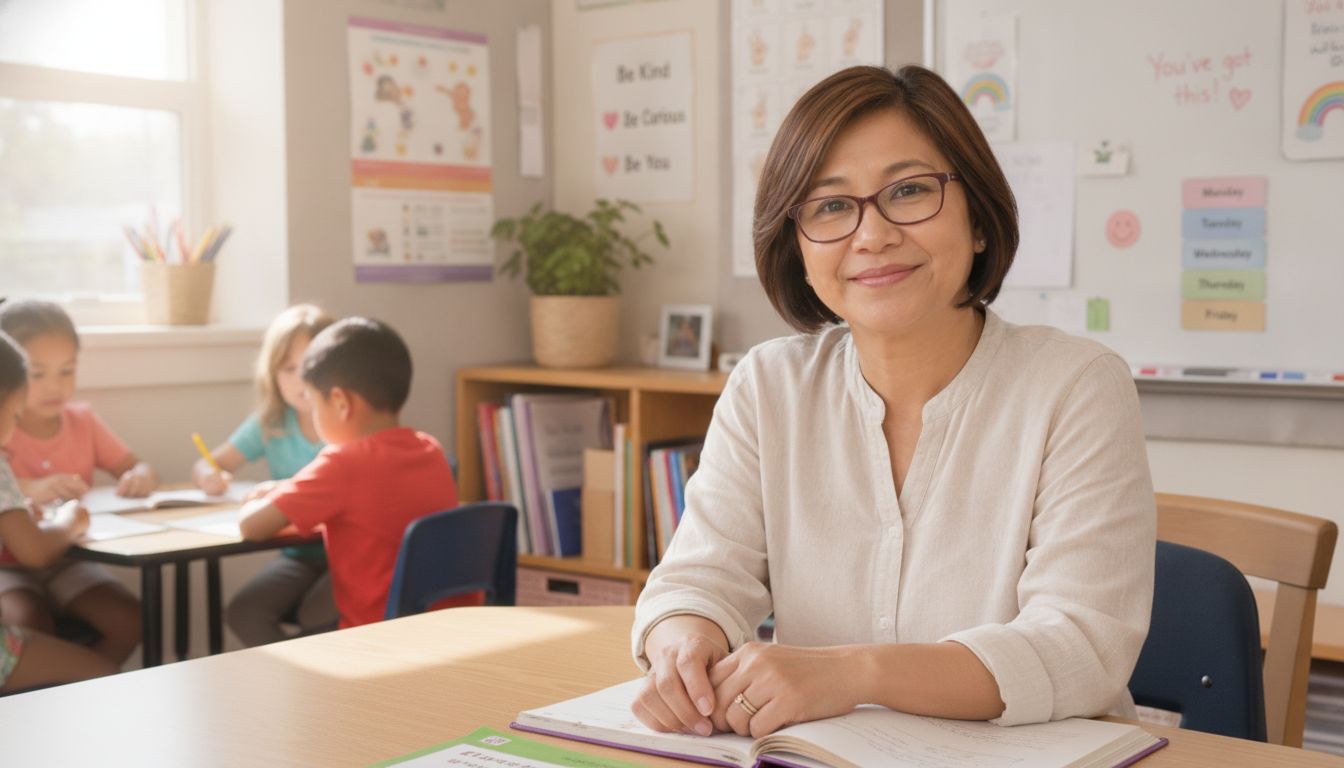 Scene 7 of 13
Mrs Chen is happy to help when I ask.
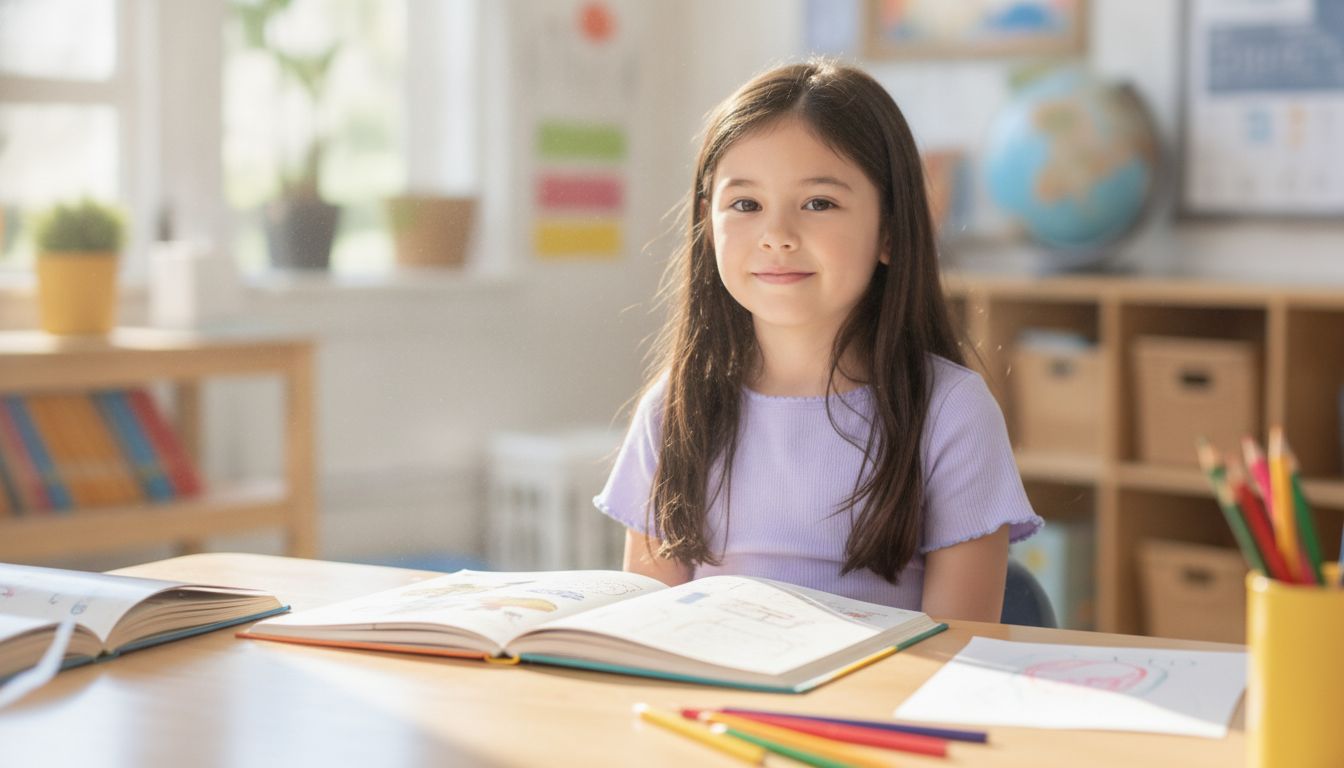 Scene 8 of 13
I can take a slow breath if I want.
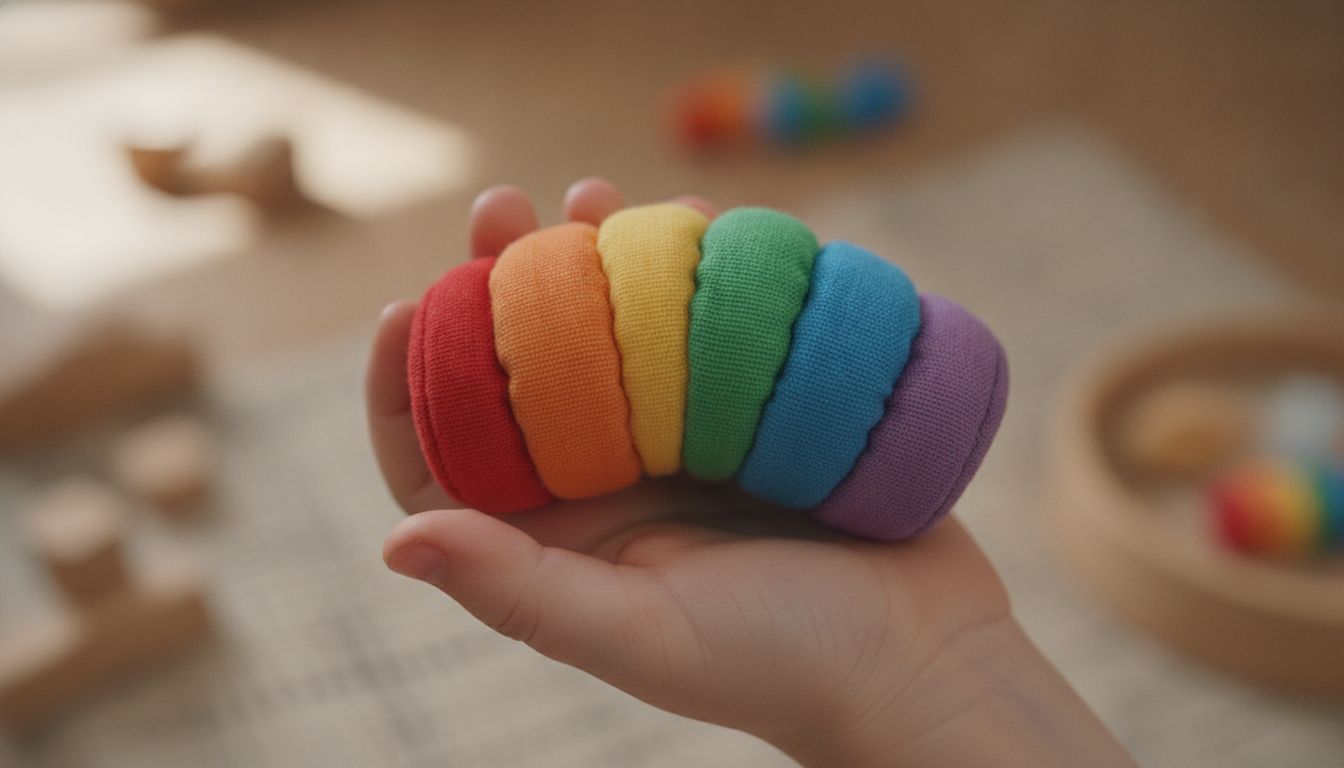 Scene 9 of 13
My colourful fidget toy is in my pocket.
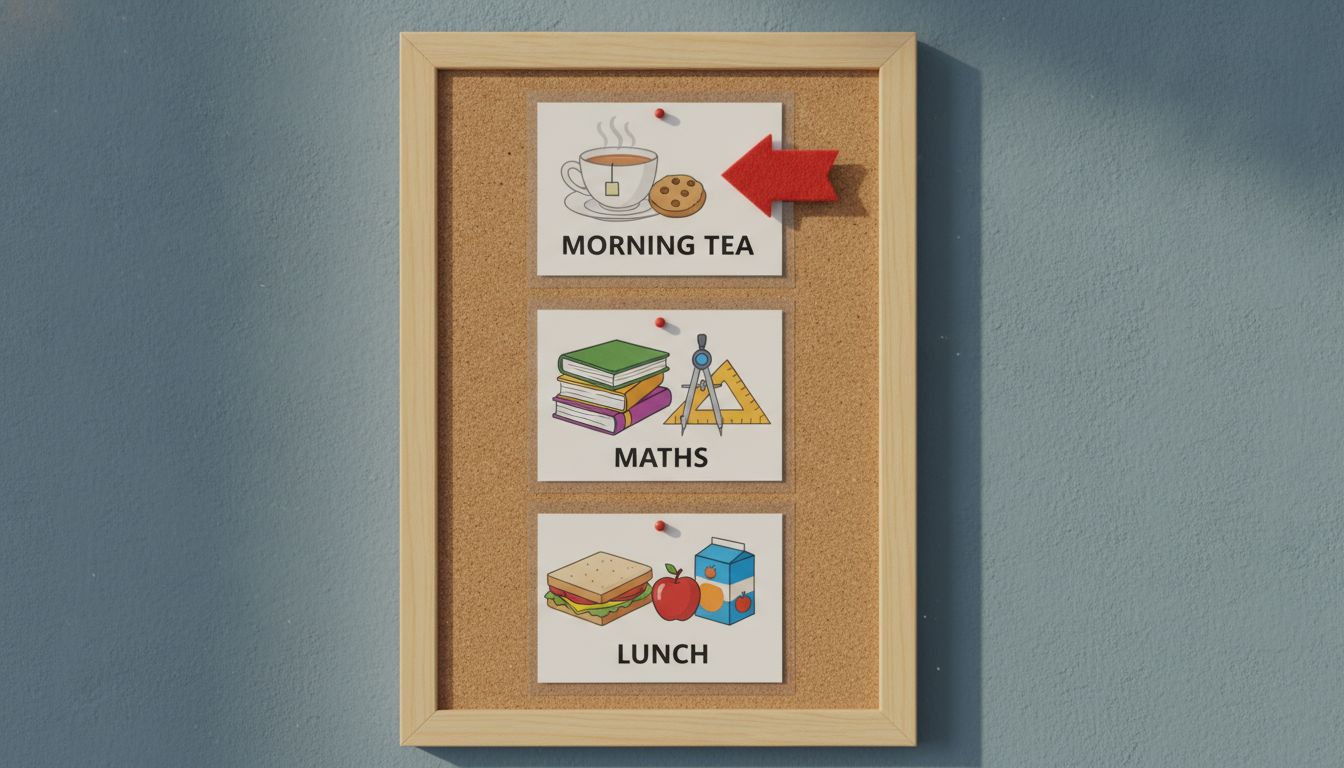 Scene 10 of 13
The visual schedule shows the day's plan.
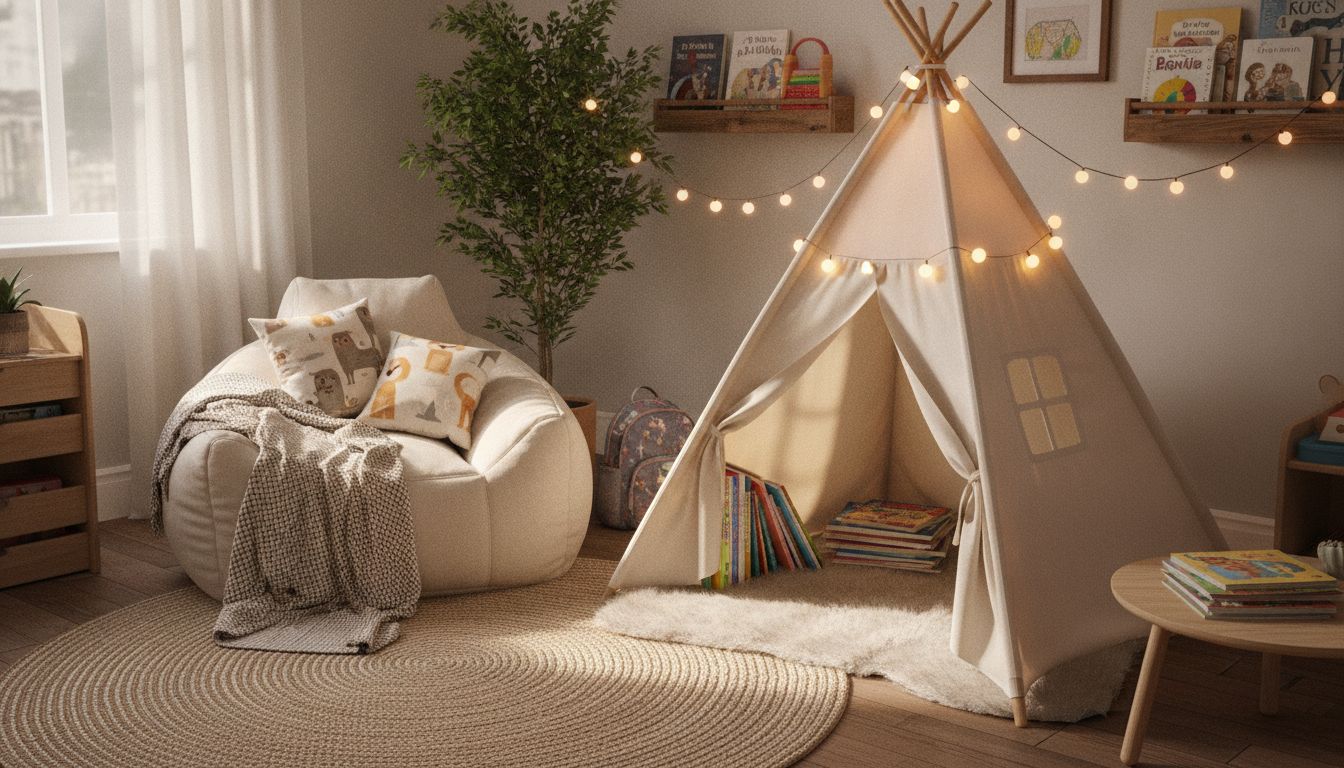 Scene 11 of 13
I visit the quiet space for breaks.
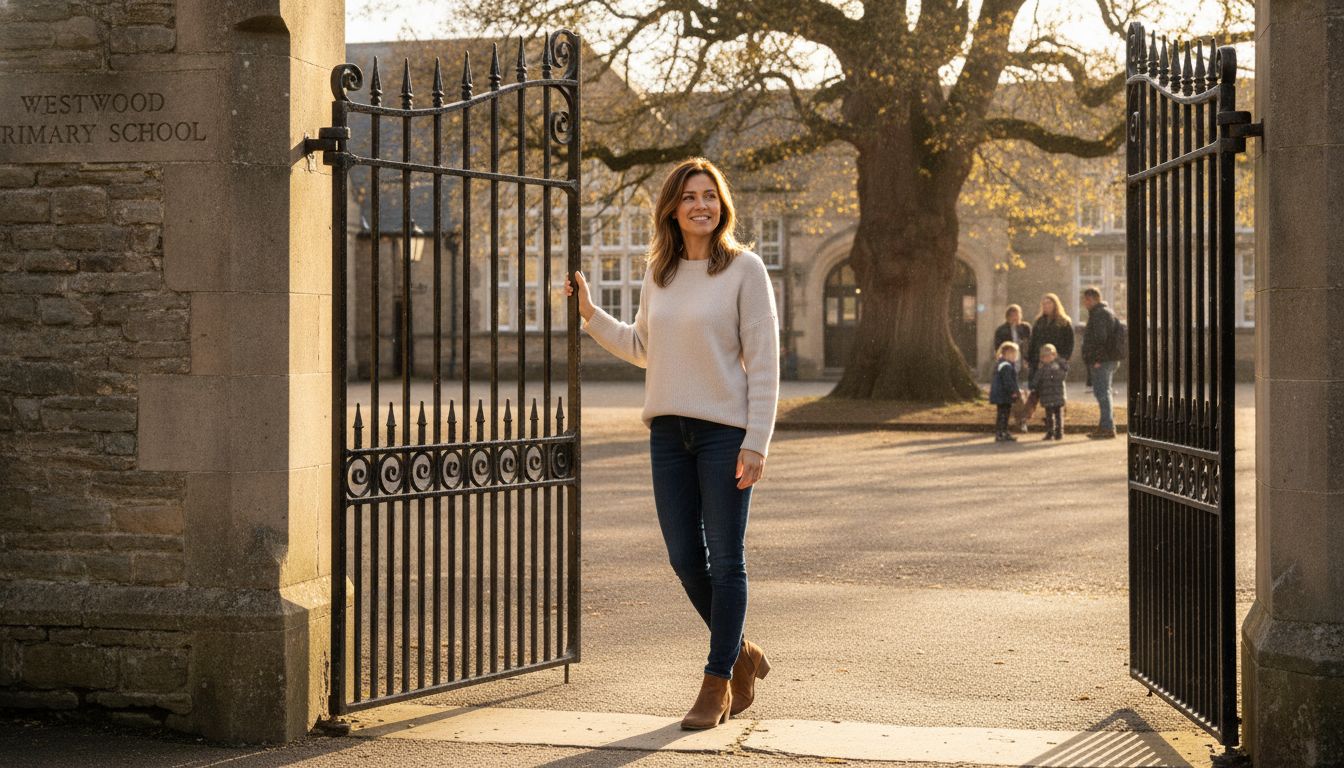 Scene 12 of 13
Mum waits for me after school ends.
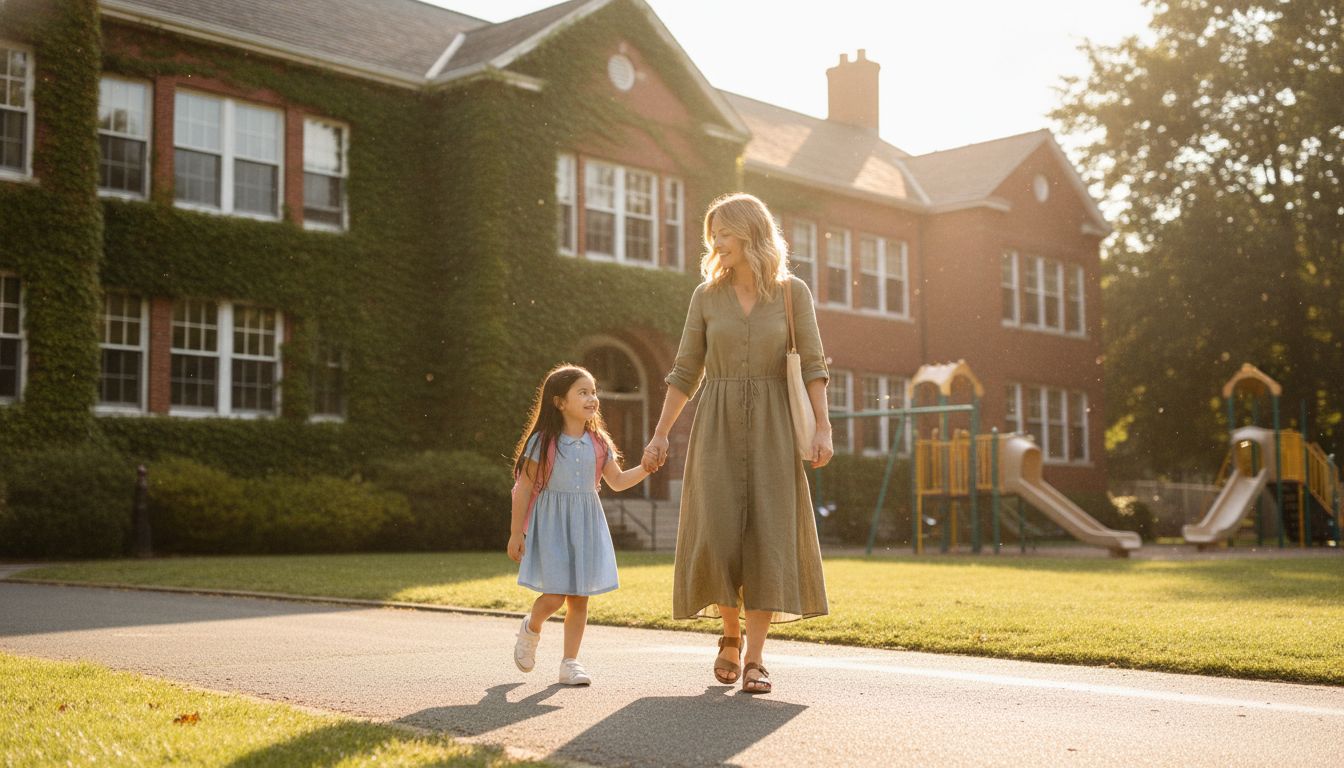 Scene 13 of 13
I go home with Mum after school.
What makes a first-day story actually work.
- 1
Use your child's real name and their teacher's real name — "Mrs Allen in Room 4" lands harder than "the teacher".
- 2
Name the building and the door they'll walk through. Specifics turn a story into a rehearsal.
- 3
Show where their bag goes, where they sit, and where the bathroom is — the three things kids quietly worry about.
- 4
Include a "if I feel wobbly" page — a quiet corner, a fidget, or asking for a break. Knowing the option exists is enough.
- 5
Mention one familiar thing: a water bottle from home, a friend they already know, the snack they like.
- 6
End with what happens after school — who picks them up, where they go. The day having a known ending is what makes the start feel safe.
Sensory moments to prepare for.
Include these in your story so they aren't surprises:
The noise of a new room — chairs scraping, voices echoing in different ways.
Unfamiliar smells — new carpet, new books, hand sanitiser.
Bright lights or new lighting (mention sunglasses or a hat if helpful).
The uniform feeling different — tags, shoes, a stiffer jumper.
Not knowing where to look or who to sit next to in the first ten minutes.
Make this story your child's own.
Add their name, their photo, and the real details of their new classroom — and Lionmain creates a personalised version in 3 to 5 minutes. Your first story is free.
Create our first-day story →Other stories parents have used.
A visit to the dentist
Bright lights, strange smells, hands in their mouth — rehearsed before the appointment.
Read the guide →A visit to the doctor
Height charts, stethoscopes and ear lights — walked through in an illustrated story.
Read the guide →A morning at the hair salon
The chair, the cape, the buzz of the clippers — each sensory surprise named in advance.
Read the guide →