A trip to the hair salon. Rehearsed before the first snip.
The cape. The chair that moves. The buzz of the clippers. For many neurodivergent children, a haircut isn't one event — it's a stack of sensory surprises in a small, bright room. A personalised visual story turns each of those surprises into something they've already walked through, so the real appointment becomes the second time.
Last updated: August 2026
A sample "morning at the hair salon" story.
This is an 8-page sample we made for a hypothetical child — built end-to-end in Lionmain so you can see exactly what your export looks like. Watch the video, or download the PDF. When you make yours, your child takes the lead role with their own photo, name and the real salon they're going to.
Read the full sample story
My Morning at the Hair Salon
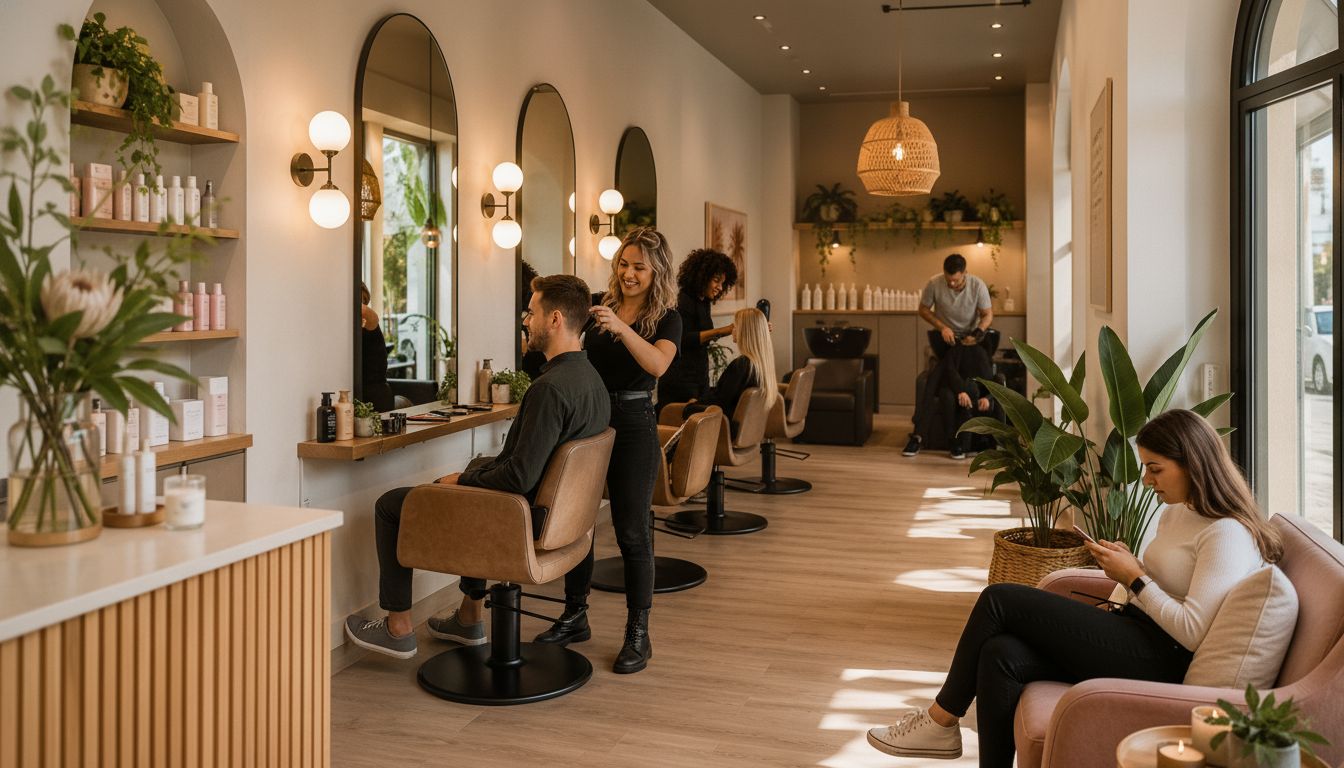 Scene 1 of 7
On Saturday morning, I visit the hair salon for a haircut.
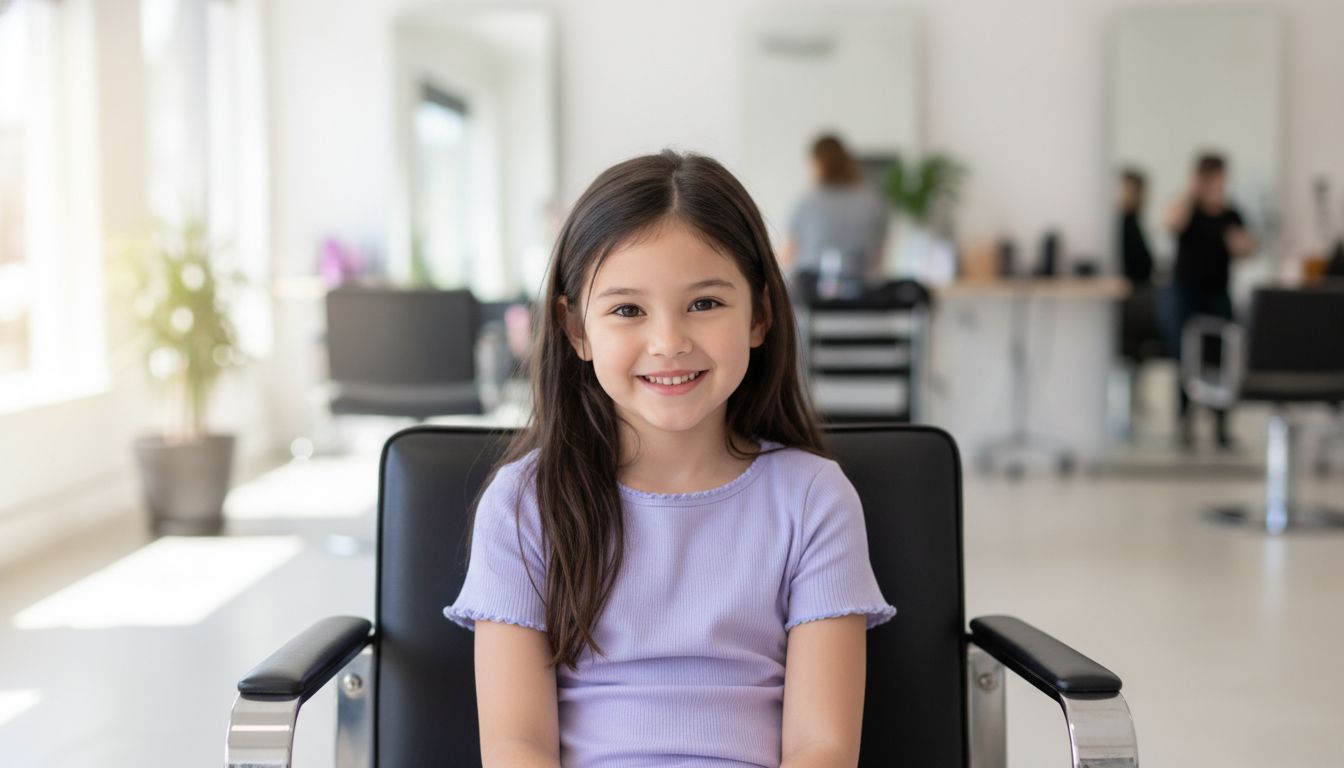 Scene 2 of 7
I sit in a tall chair that can move up and down.
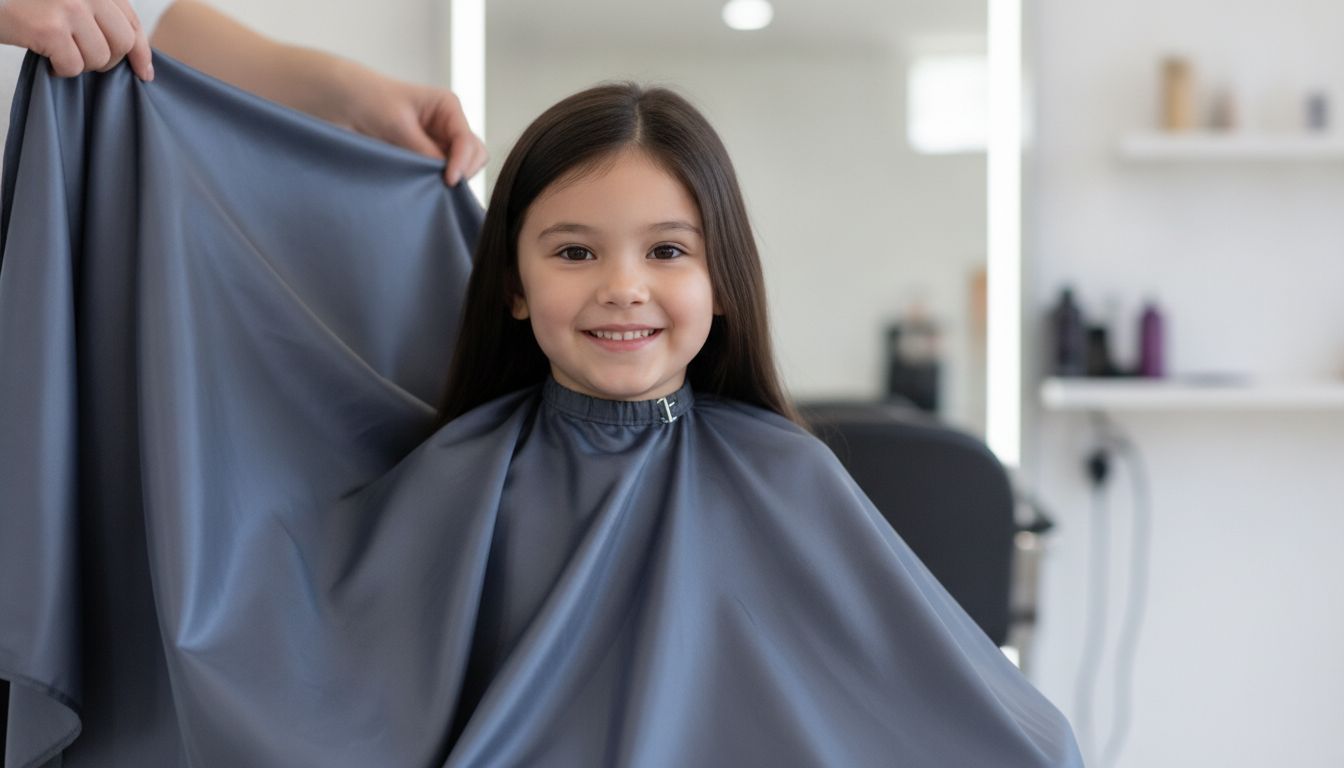 Scene 3 of 7
The hairdresser wraps a smooth, light cape around my shoulders.
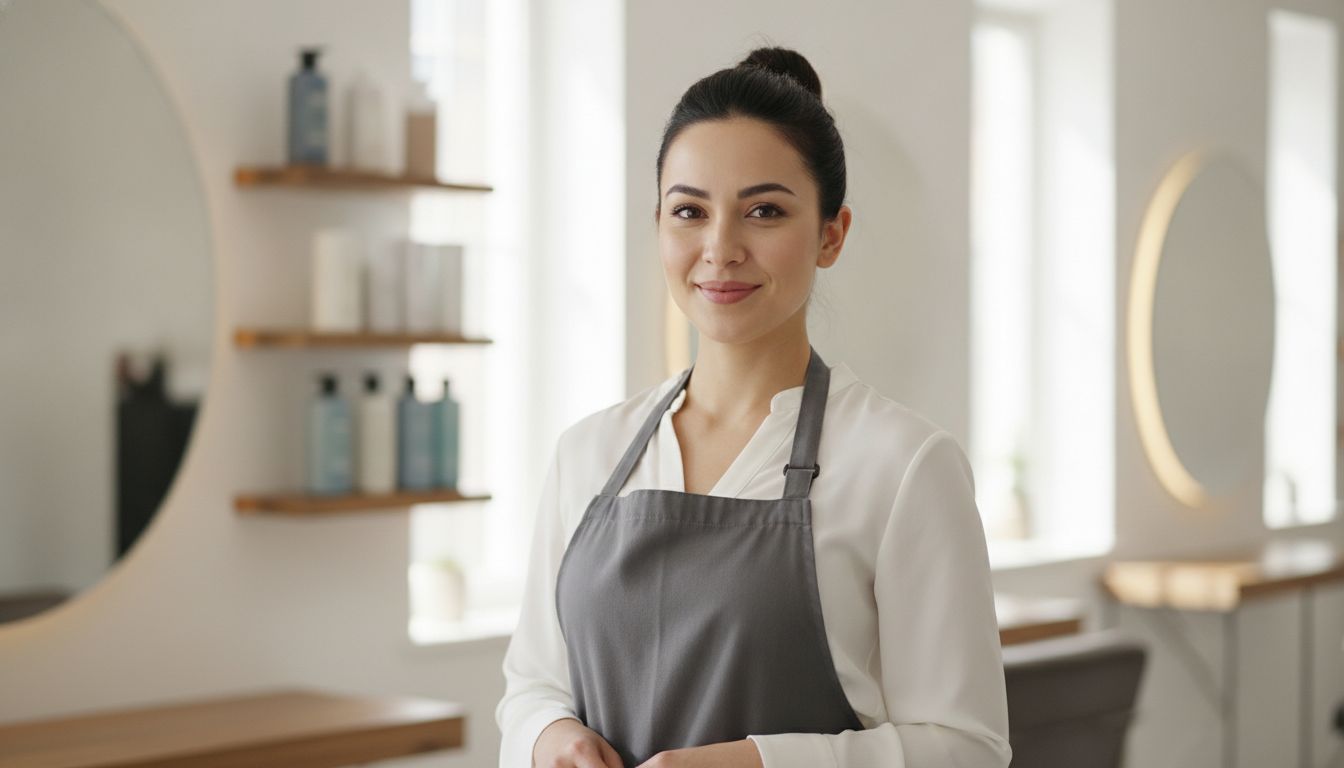 Scene 4 of 7
The hairdresser knows that some children find the feeling of hair touching unusual.
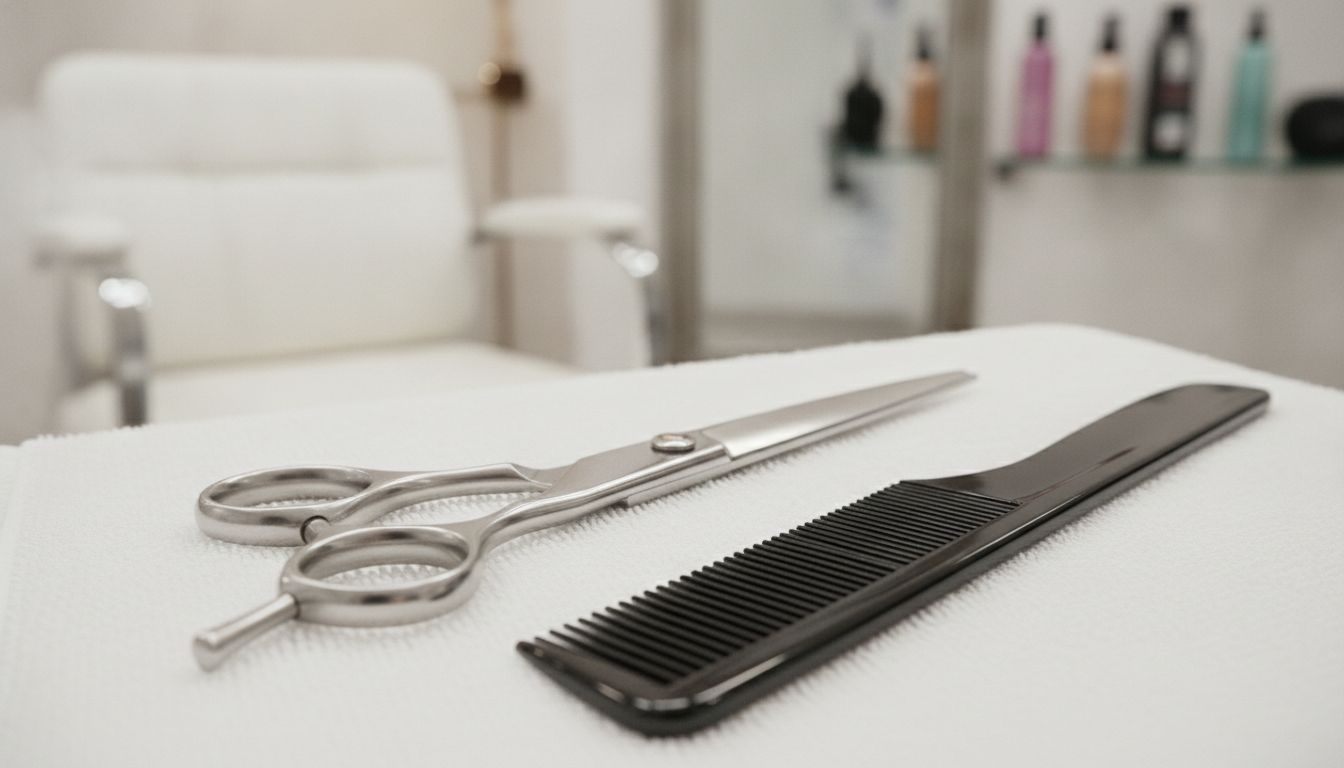 Scene 5 of 7
The silver scissors make a soft snipping sound near my ears.
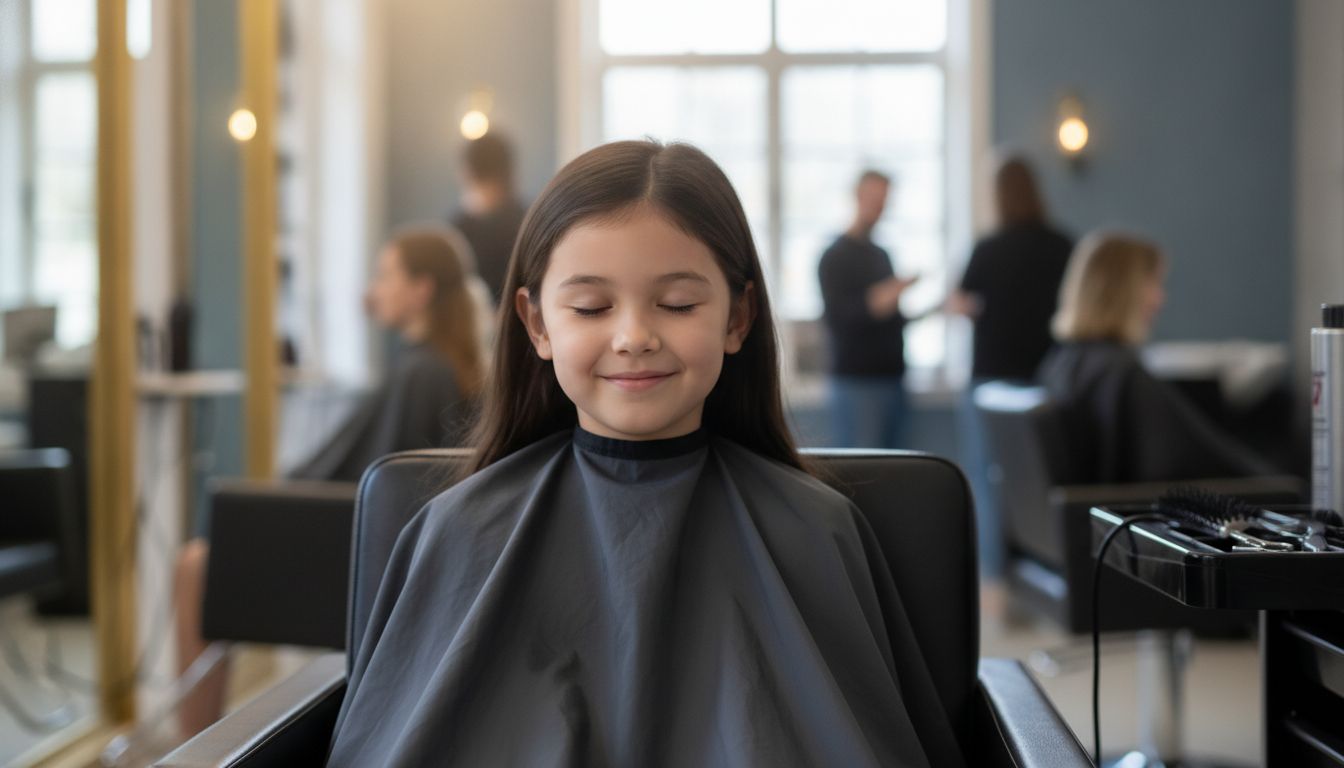 Scene 6 of 7
I can hold my favourite toy or take a breath while the hairdresser works.
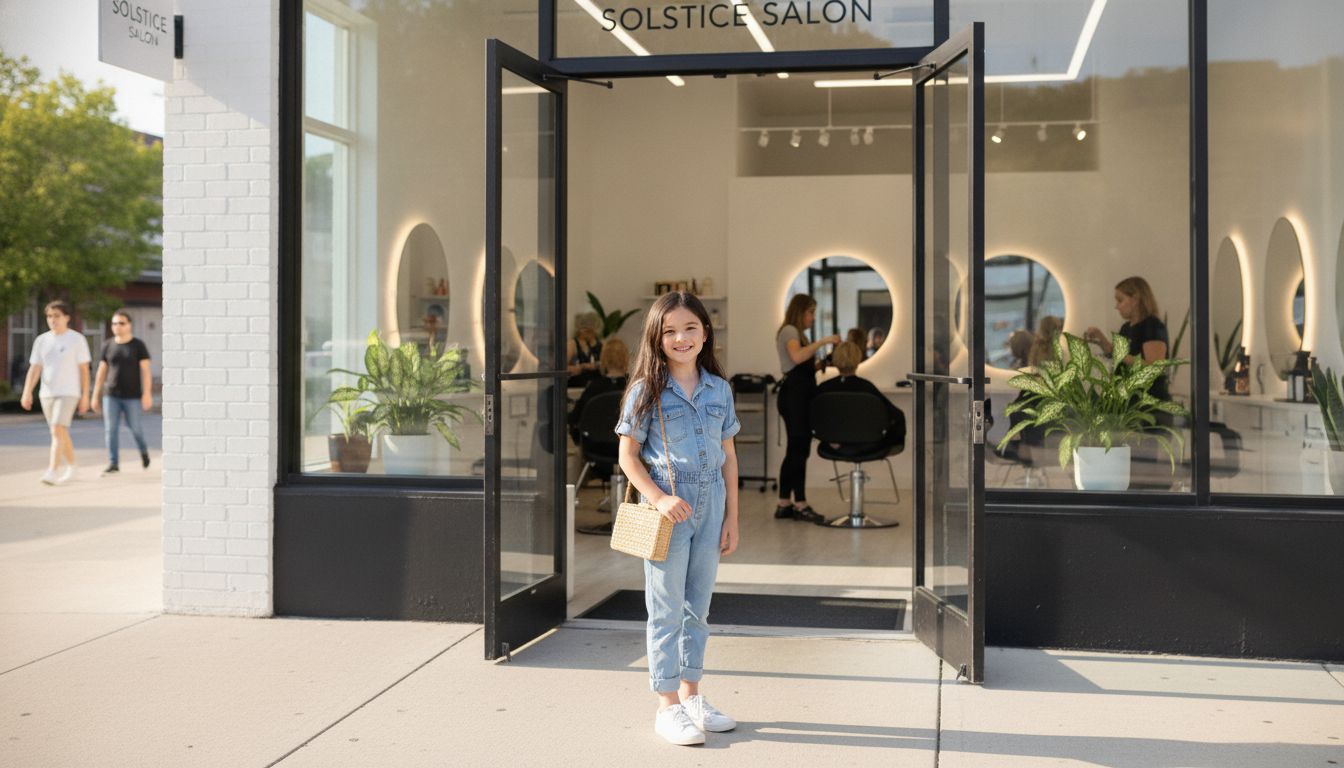 Scene 7 of 7
When my hair is finished, I walk out of the salon with my family.
What makes a haircut story actually work.
- 1
Name the salon and the hairdresser — "Sam at Curl & Co" turns a stranger into a familiar face before you arrive.
- 2
Show the chair going up and down. The moving chair is the moment most kids brace for; a picture takes the surprise out.
- 3
Include the cape. The feeling of something wrapped around the shoulders is a huge sensory event — name it in advance.
- 4
Explain the buzz of the clippers or the snip of the scissors. Sound is often the hardest part, not the haircut itself.
- 5
Add a "if I need a break" page — closing eyes, holding a fidget, or a signal your child can use without speaking.
- 6
End with what happens after: a mirror check, a lollipop or sticker, walking out with the new hair. A known ending steadies the middle.
Sensory moments to prepare for.
Include these in your story so they aren't surprises:
The buzz of clippers and the whirr of a hairdryer — often the loudest surprise.
Water sprayed on the head or a warm rinse at the basin.
The cape brushing the neck, and the itch of loose hair on skin.
Sitting still for longer than usual with someone standing close.
Bright salon mirrors and lights, and the smell of product or shampoo.
Make this story your child's own.
Add their name, their photo, and the real salon they're going to — and Lionmain creates a personalised version in 3 to 5 minutes. Your first story is free.
Create our haircut story →Other stories parents have used.
A visit to the dentist
Bright lights, strange smells, hands in their mouth — rehearsed before the appointment.
Read the guide →A visit to the doctor
Height charts, stethoscopes and ear lights — walked through in an illustrated story.
Read the guide →First day at a new classroom
New teacher, new room, new bag hooks — the whole first morning previewed the night before.
Read the guide →