A visit to the doctor. Walked through before you leave the house.
A check-up sounds simple to us. For a neurodivergent child it can be a waiting room full of strangers, a cold stethoscope out of nowhere, and a torch shone in their ear without warning. A personalised visual story turns each of those moments into something familiar — a rehearsal your child has already been through, so the real appointment becomes the second time.
Last updated: August 2026
A sample "visit to the doctor" story — in the illustrated style.
This story uses Lionmain's illustrated style. Instead of a photo, the child is drawn as a warm, hand-drawn cartoon likeness from a short description you write — hair, skin tone, glasses, favourite outfit. For every story you create, you can choose either the illustrated style or the photo style. Some families prefer the illustrated version because it can feel softer for sensory-sensitive kids. When you make your own, your child takes the lead role — their name, their details, in whichever style you choose.
Read the full sample story
A Visit to the Doctor
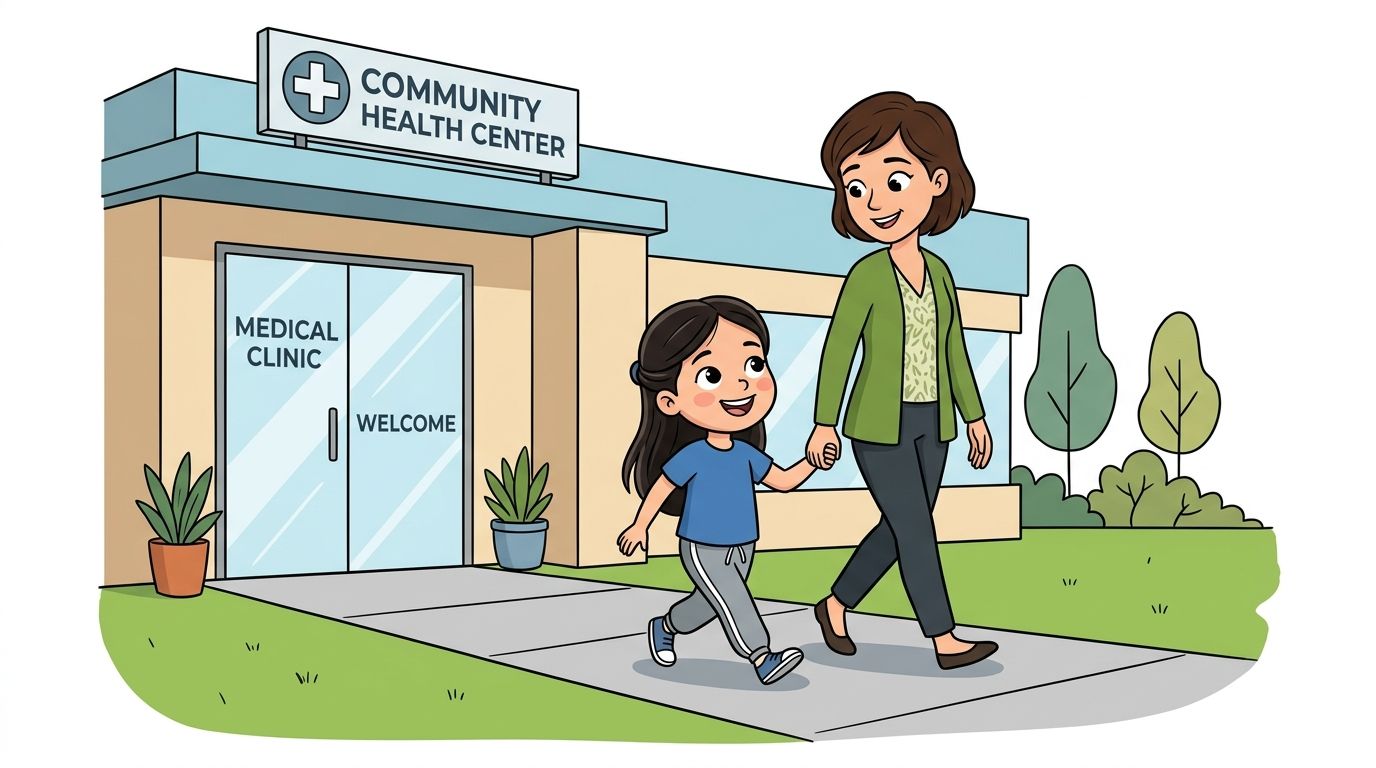 Scene 1 of 10
On Friday afternoon, Mum and I visit the doctor.
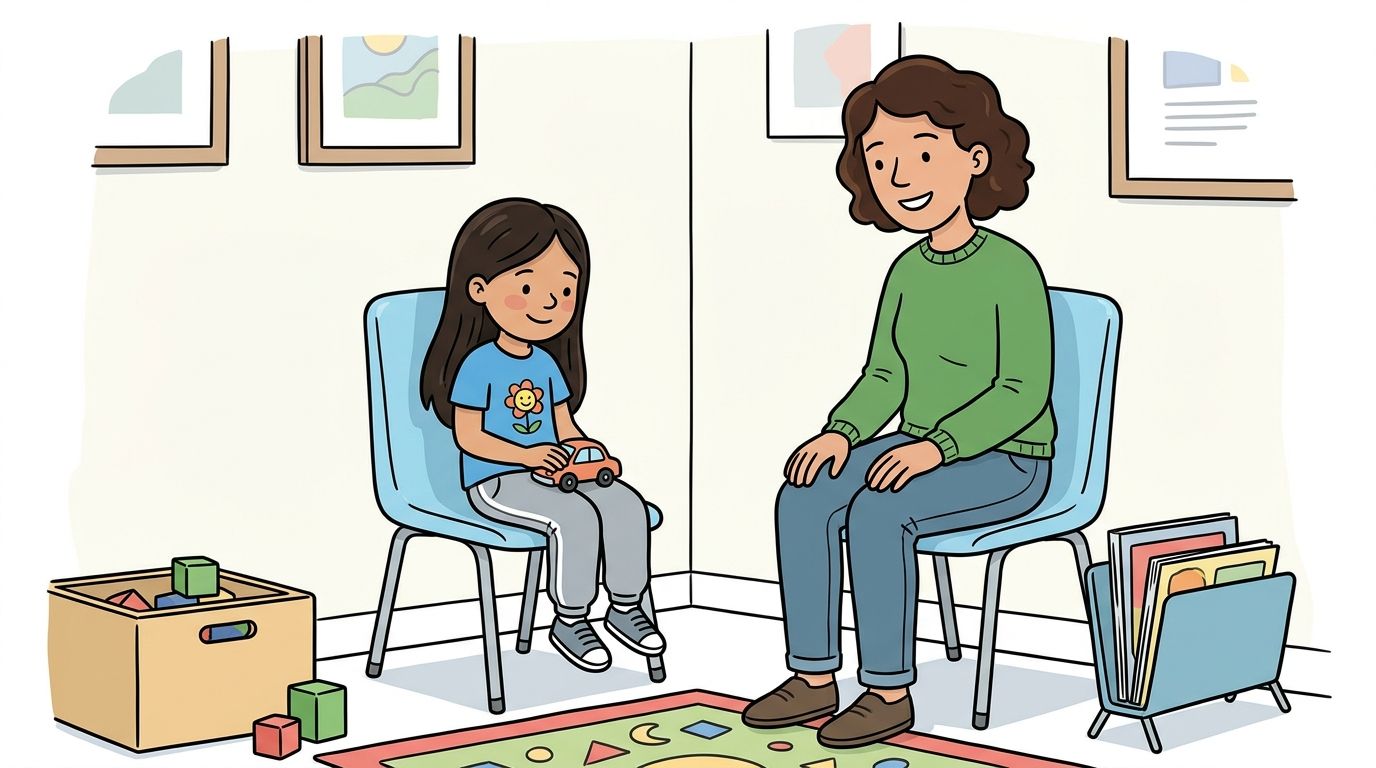 Scene 2 of 10
It is okay to feel unsure about a check-up.
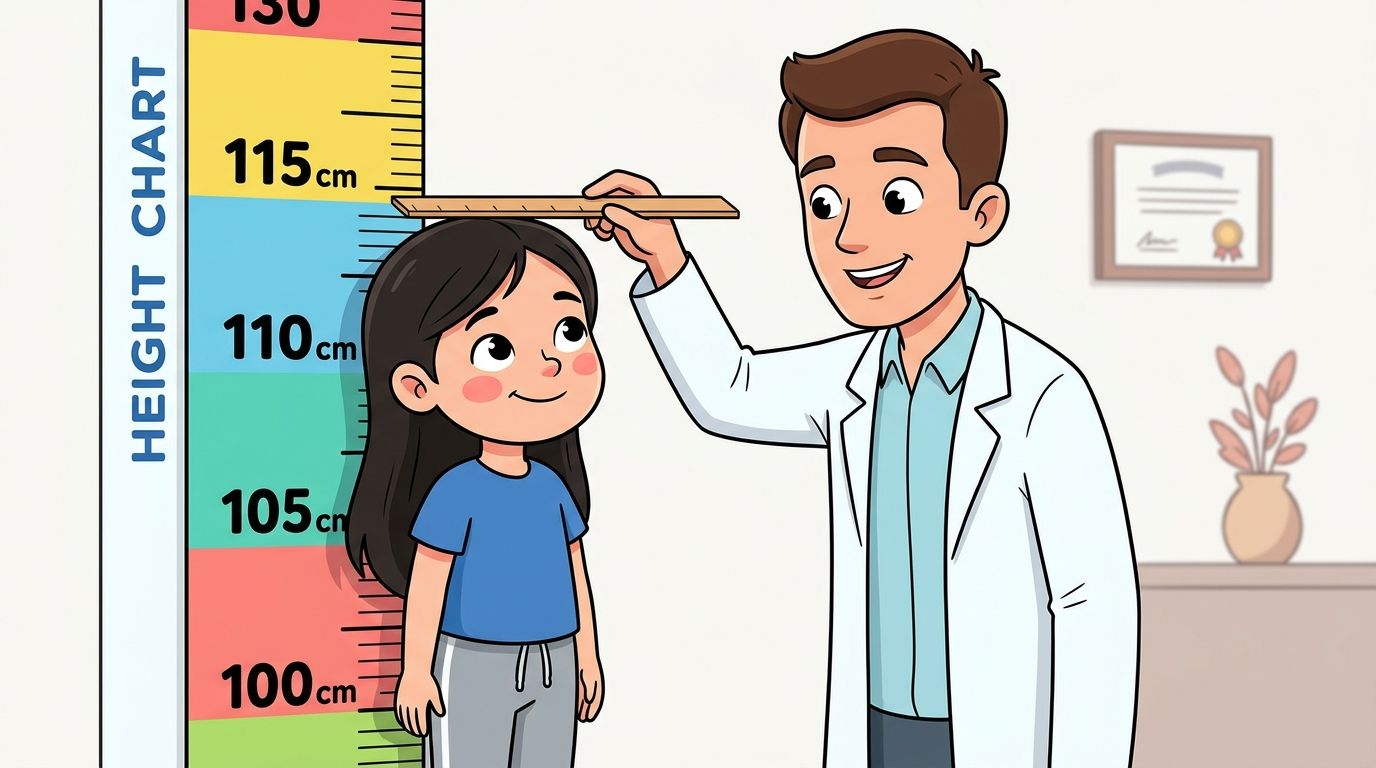 Scene 3 of 10
I stand against the wall to measure my height.
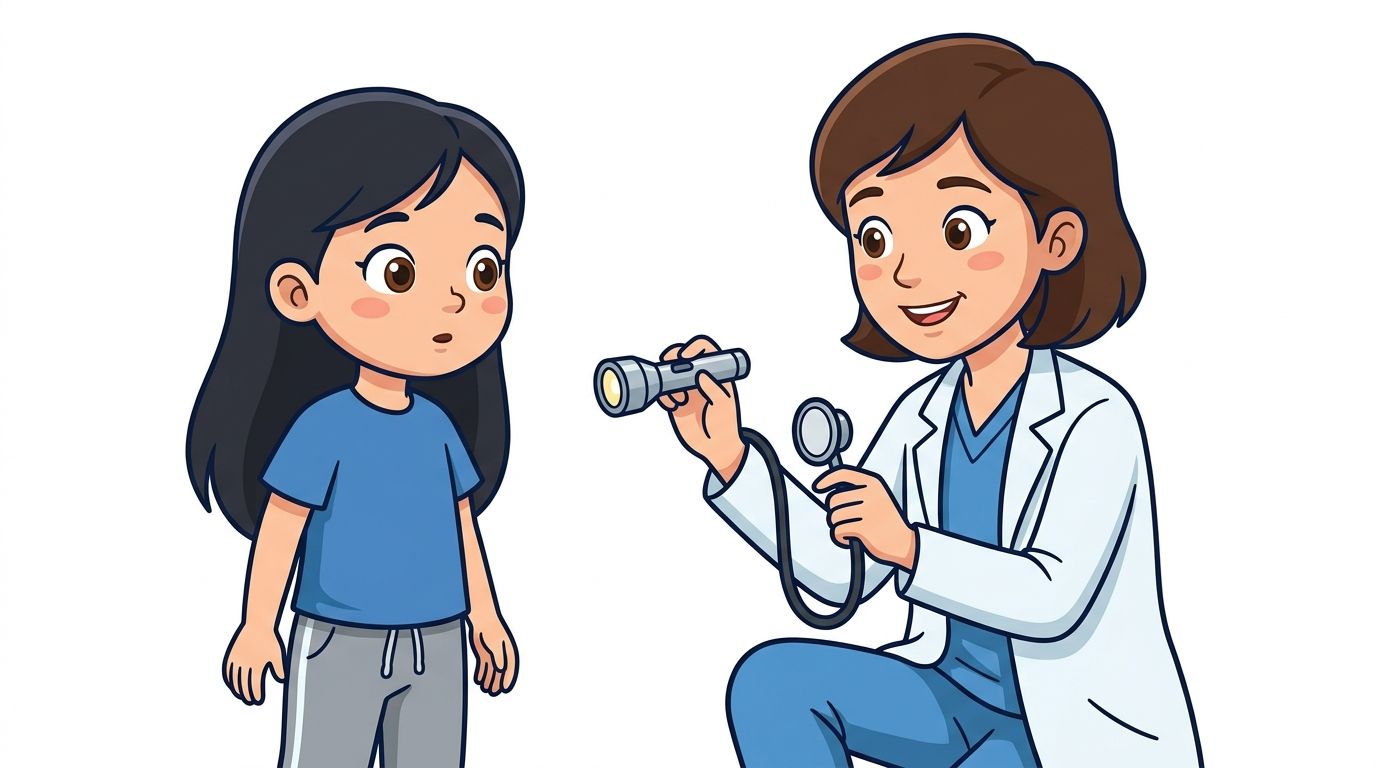 Scene 4 of 10
I watch the doctor get the tools ready.
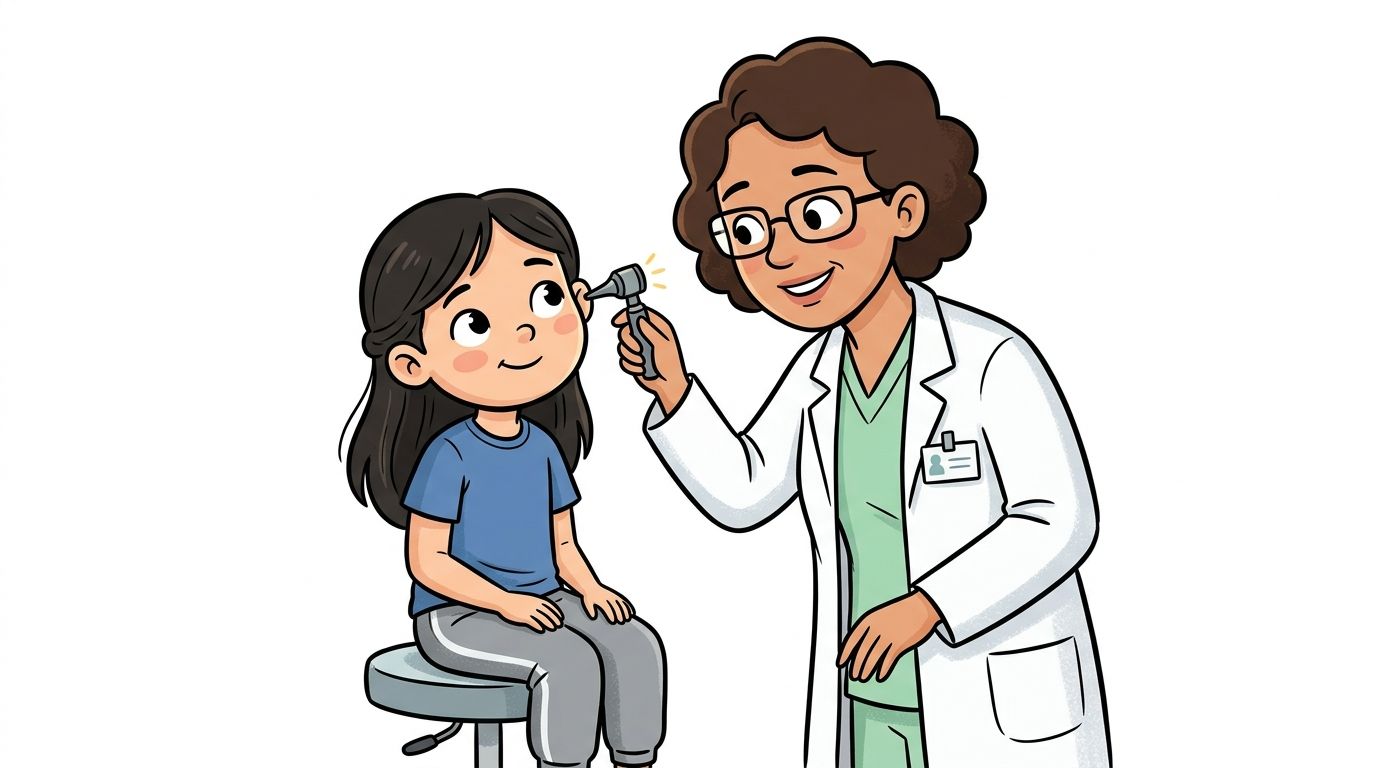 Scene 5 of 10
The doctor uses a small, bright light for my ears.
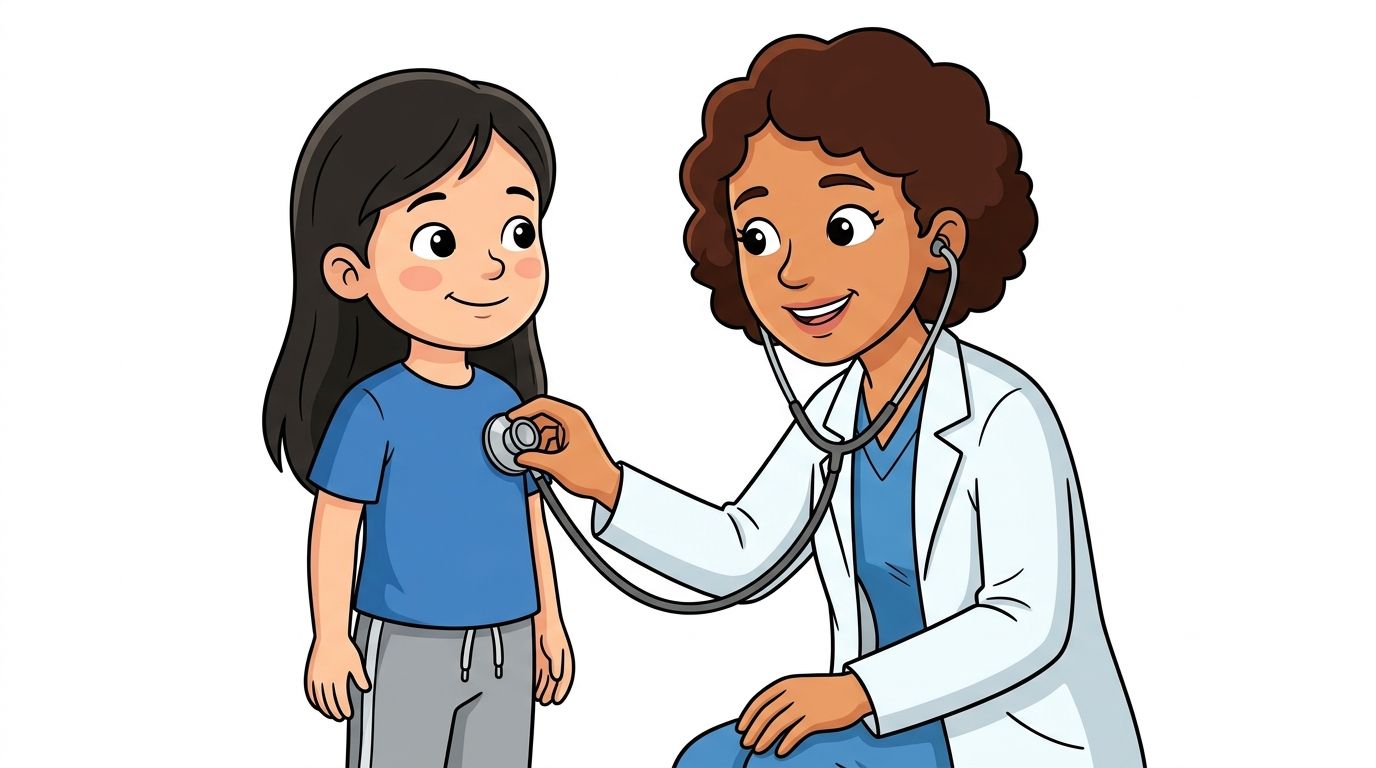 Scene 6 of 10
The doctor puts a cold stethoscope on my chest.
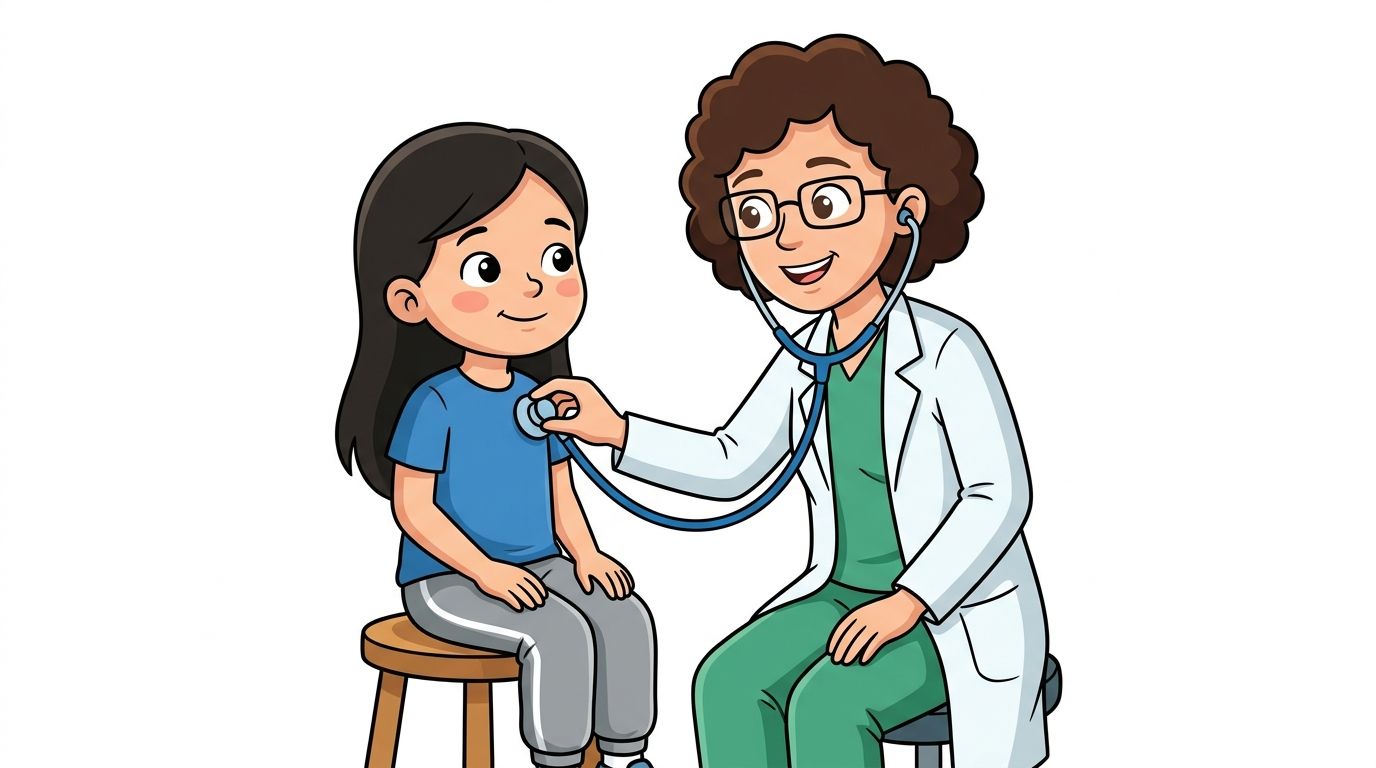 Scene 7 of 10
The doctor listens to the rhythm of my heart.
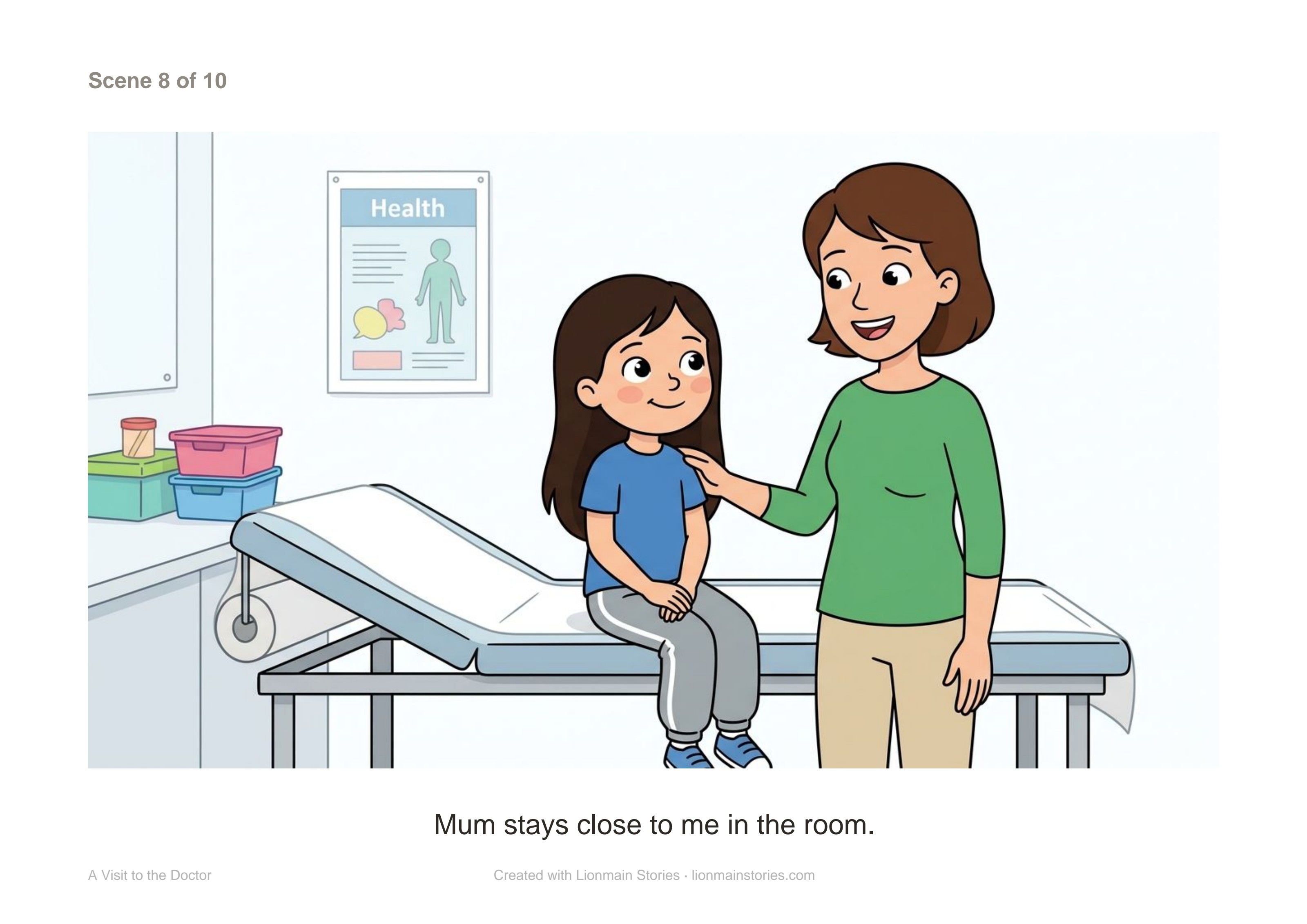 Scene 8 of 10
Mum stays close to me in the room.
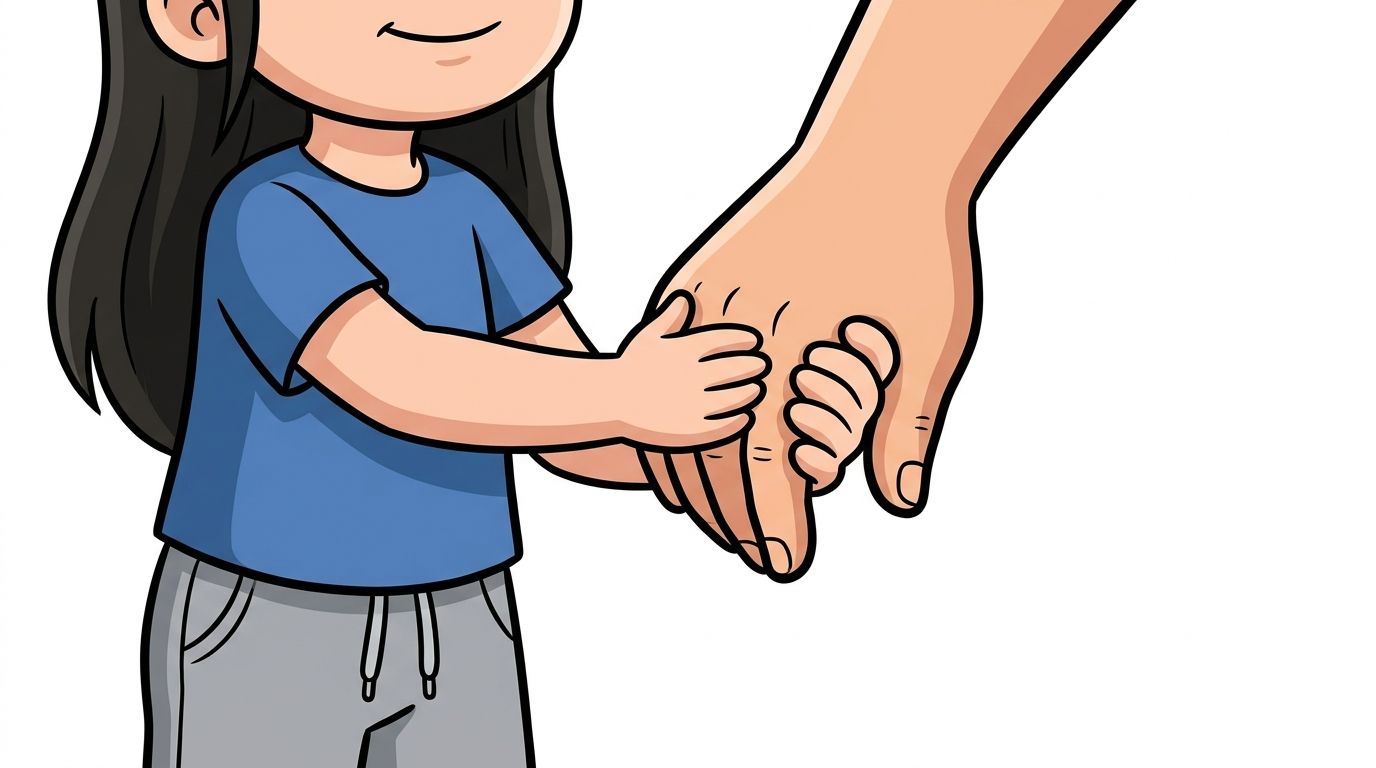 Scene 9 of 10
I can hold Mum's hand during the check-up.
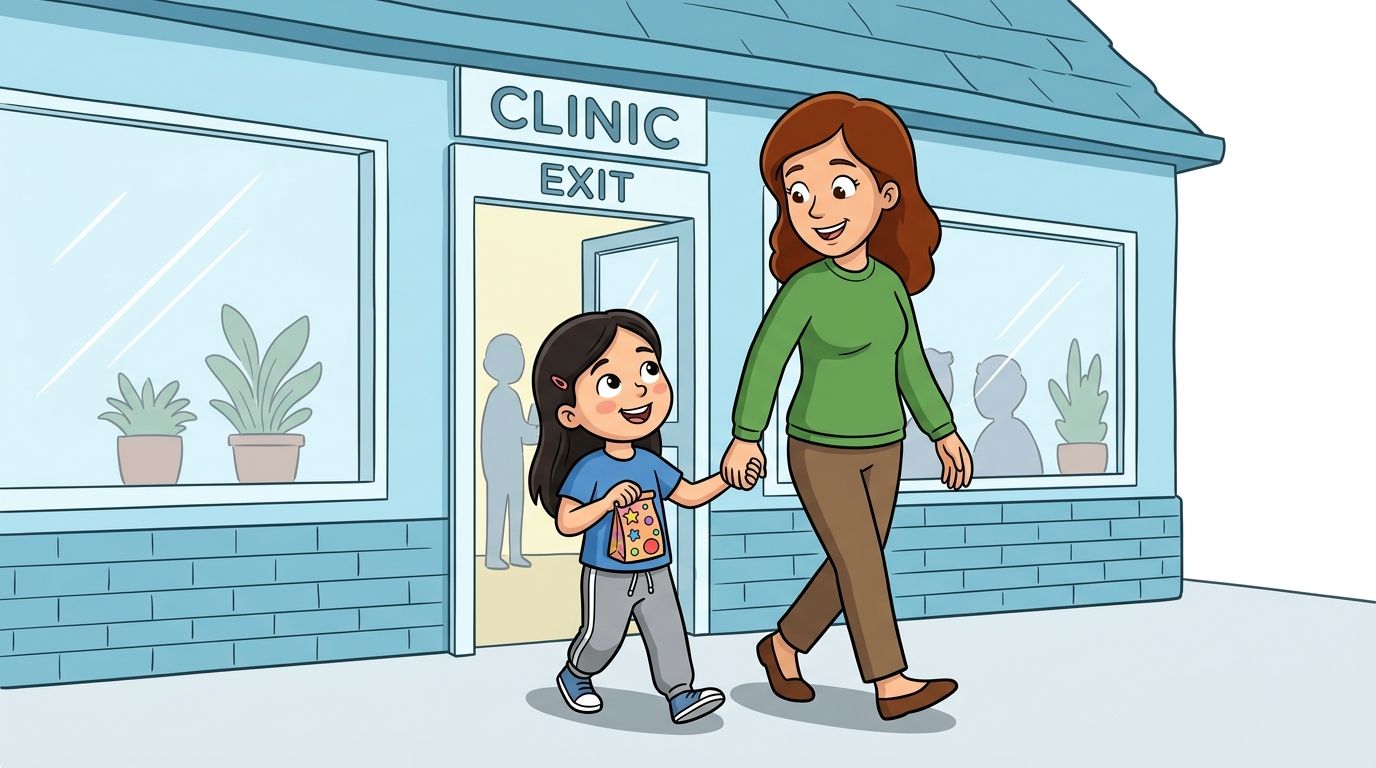 Scene 10 of 10
After the visit, Mum and I go home together.
What makes a doctor story actually work.
- 1
Use your child's real name and the name of the clinic or doctor — "Dr Priya at the Community Health Centre" is easier to picture than "the doctor".
- 2
Name the reason for the visit simply — a check-up, a sore ear, a vaccination — so the purpose isn't a mystery when you arrive.
- 3
Show the waiting room. Waiting is often the part that unravels a child, not the appointment itself.
- 4
Introduce the tools calmly — the small torch for ears, the cold stethoscope, the height chart on the wall.
- 5
Include a "holding a hand" or "asking for a pause" scene so your child knows they aren't alone and they have some control.
- 6
End with something certain — going straight home, a favourite snack in the car, a small sticker on the way out.
Sensory moments to prepare for.
Include these in your story so they aren't surprises:
The bright overhead lights and clinical white walls.
The cold touch of a stethoscope on the chest or back.
The small, bright light shone into ears, eyes or mouth.
Being asked to sit still, open wide, or breathe deeply on cue.
The smell of hand sanitiser and cleaning products in a small room.
Make this story your child's own.
Choose photo or illustrated style, add your child's name and the real details of your clinic — and Lionmain creates a personalised version in 3 to 5 minutes. Your first story is free.
Create our doctor story →Other stories parents have used.
A visit to the dentist
Bright lights, strange smells, hands in their mouth — rehearsed before the appointment.
Read the guide →First day at a new classroom
New teacher, new room, new bag hooks — the whole first morning previewed the night before.
Read the guide →A morning at the hair salon
The chair, the cape, the buzz of the clippers — each sensory surprise named in advance.
Read the guide →